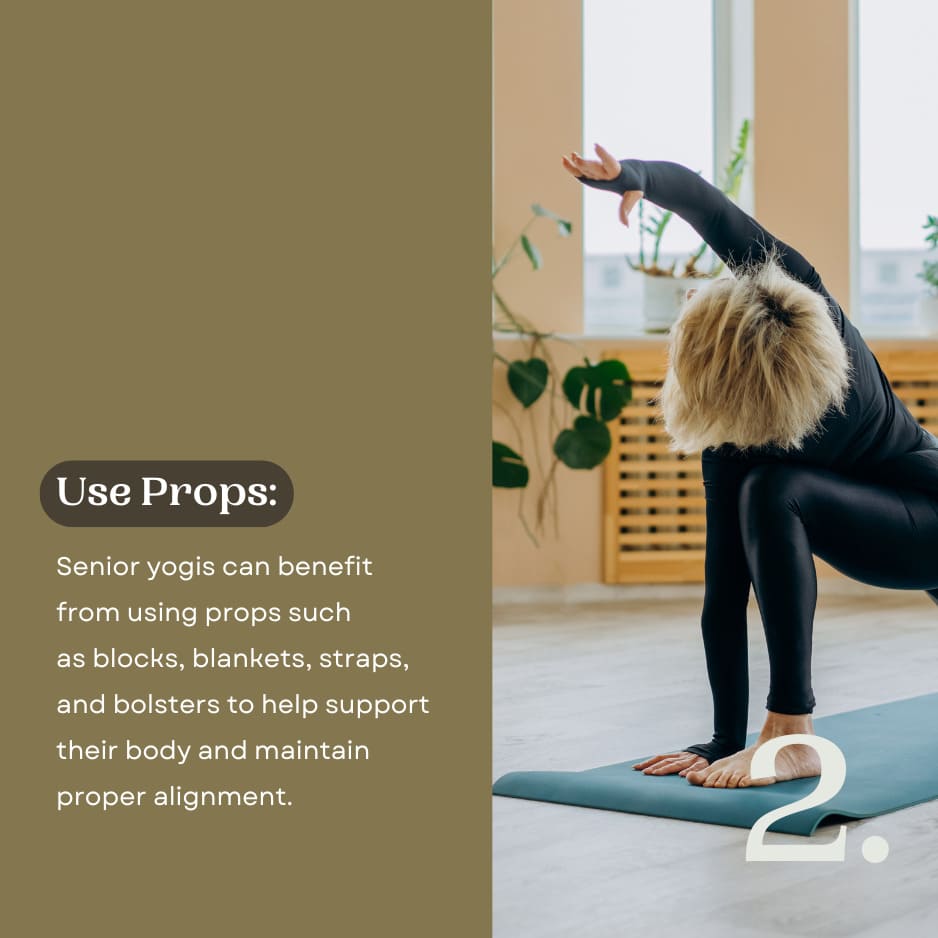
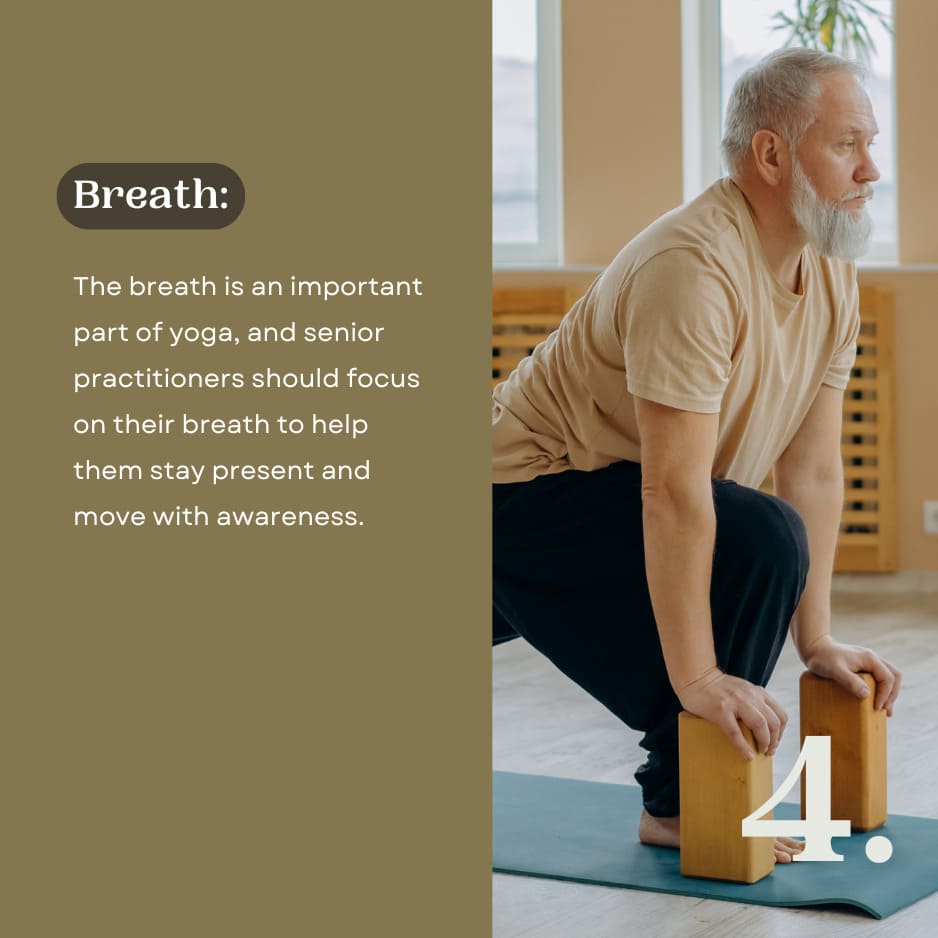
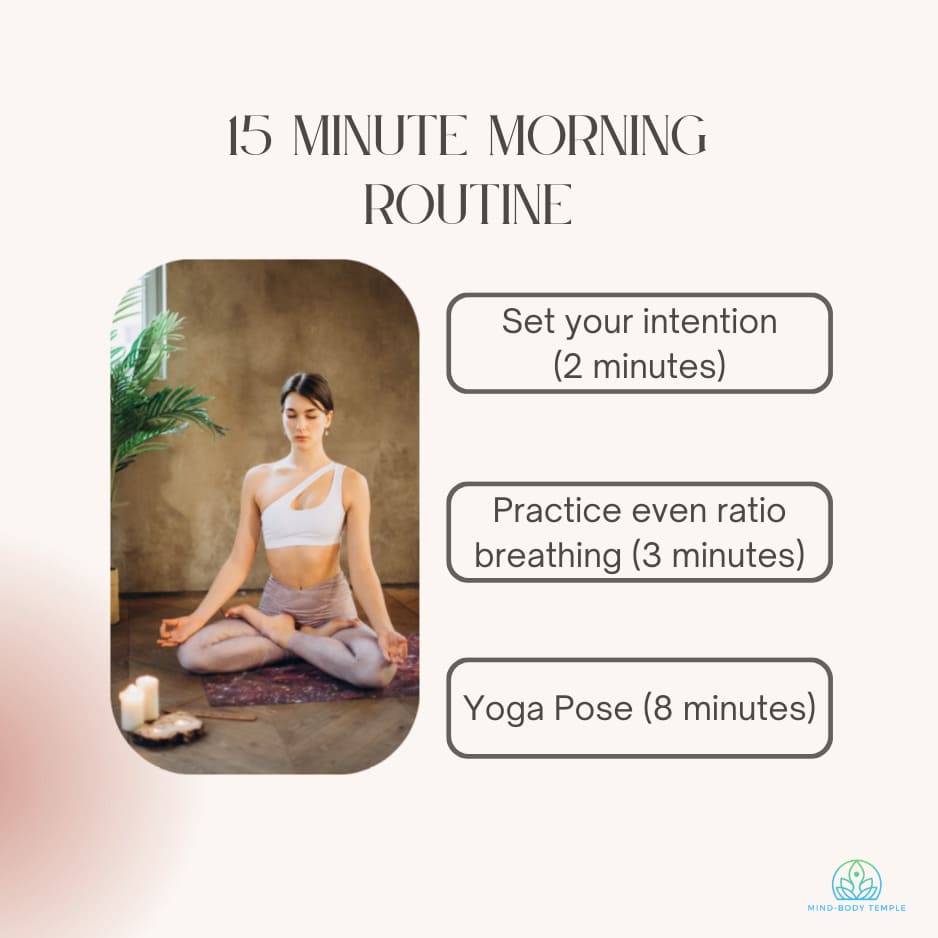
Movement is one of the most powerful regulators of the nervous system. The book highlights that exercise is not about performance or appearance. It is about circulation, oxygenation, and breaking the cycles that allow pain to dominate daily life. Gentle, consistent movement improves mobility and teaches the body to interpret physical sensations with less fear and tension.
When muscles become stronger and joints move more freely, people begin to feel more in control of their lives. This sense of control is crucial because chronic pain often steals confidence. Movement gradually rebuilds that trust in the body. Even short, simple exercises can reduce stiffness, improve sleep, and support emotional resilience.
Movement also enhances neural pathways. Every step, stretch, or breath based exercise teaches the brain to communicate more efficiently with the body. That communication slowly rewires pain responses, making physical experiences feel less threatening and more manageable. Over time, movement becomes a stabilizing ritual that grounds both the mind and body.